
Custom apparel production offers tailored solutions traditional retail often lacks. Inclusive sizing is critical for modern Western fashion. The custom apparel market, driven by Gen Z’s demand for personalization and inclusivity, projects to exceed $100 billion by 2033. This blog explores how custom production meets the demand for inclusive skirt sizing.
Key Takeaways
- Custom skirt production helps solve sizing problems in fashion. It makes clothes fit all body types.
- Custom production uses exact measurements and special designs. This ensures each skirt fits perfectly and makes people feel good.
- Brands can use technology and smart production methods. This helps them make custom skirts and reach more customers.
The Need for Inclusive Skirt Sizing in Western Markets

Limitations of Standard Skirt Sizing
Standard sizing in fashion often creates significant challenges for consumers. French sizing, for example, frequently runs smaller and uses different number scales than US or UK sizes, leading to misfits. Many brands ignore actual body measurements, focusing instead on tag size. This results in skirts that are either too tight, feeling confined, or too loose, losing their intended silhouette. Variations in waistband cuts and fabric stretch mean a perfect fit in one brand can be completely off in another. Different body shapes, such as hourglass, pear, or athletic, experience unique fit challenges, requiring specific sizing considerations to avoid tightness, bunching, or awkward cuts. The phenomenon of ‘vanity sizing’ further complicates matters, making clothing labels unreliable. A size 12 in 1958 now equates to a size 6, and a size-6 pair of jeans can vary by as much as 6 inches in the waistband. This inconsistency contributes to a 40% return rate for online apparel purchases, primarily due to sizing issues, highlighting a widespread ‘fit problem’ in modern fashion, particularly for women.
Rising Consumer Demand for Diverse Skirt Options
Consumers increasingly demand diverse clothing options that truly fit their bodies. They seek personalization and inclusivity, moving away from the limitations of mass-produced standard sizes. This demand reflects a broader cultural shift towards celebrating individual body types and rejecting outdated fashion norms. People want clothing that makes them feel confident and comfortable, not constrained by arbitrary size charts.
Economic Benefits of Inclusive Skirt Offerings
Embracing inclusive sizing offers significant economic advantages for brands. Research from Boston University highlights that inclusive marketing directly correlates with enhanced customer loyalty and brand perception. Brands that embrace diversity attract much wider consumer bases, transforming the consumer experience from a transactional interaction to a deeply personal, empowering journey. This shift empowers individuals to feel truly seen. Key emotional benefits for consumers from inclusive sizing include feeling validated and recognized, experiencing increased self-confidence, developing stronger brand connection, and feeling respected as an individual. Expanded sizing serves to accommodate diverse body shapes and promote inclusivity, ultimately boosting a brand’s market reach and reputation.
How Custom Skirt Production Delivers Inclusive Sizing
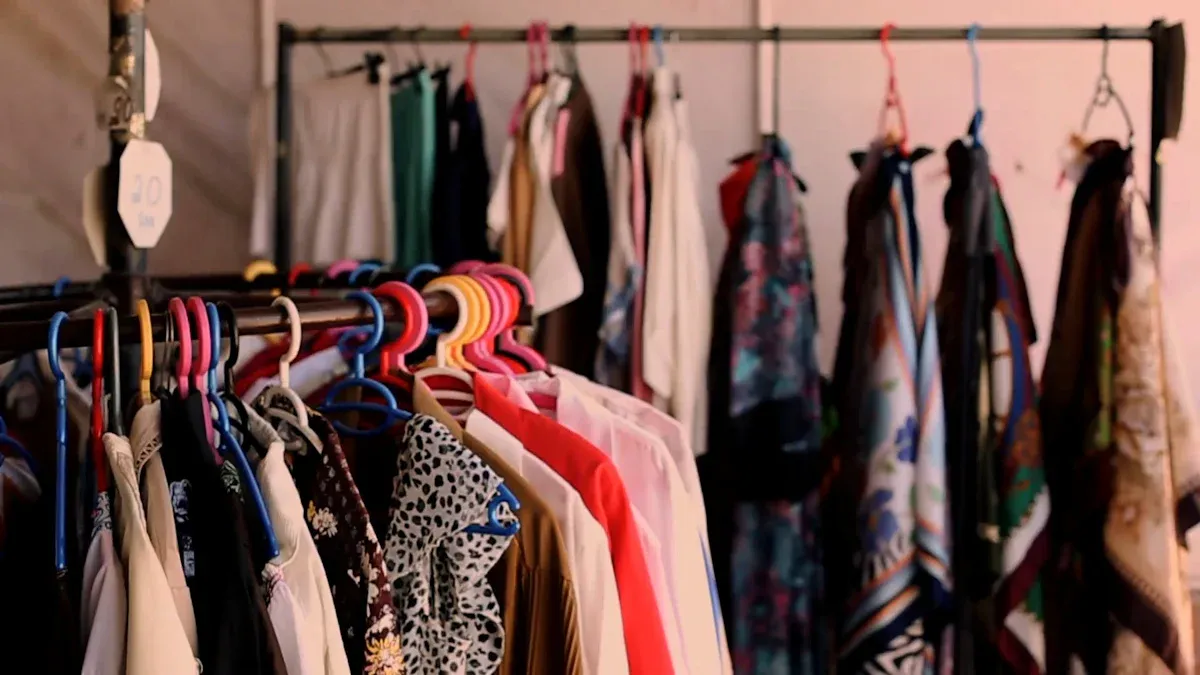
Custom skirt production directly addresses the shortcomings of mass-produced apparel. It offers a personalized approach that caters to individual body shapes and preferences. This method ensures every customer receives a garment designed specifically for them.
Personalized Skirt Measurements and Fit
Custom production begins with precise measurements. This crucial step moves beyond generic size charts. It captures the unique dimensions of each individual. For example, William & Lauren uses a personal consultation process. During this consultation, Client Advisors guide customers through various choices. These choices include fabric selection, length and silhouette options, waistline styles, and finishing details. This service ensures a perfect fit through personalized guidance and an initial round of tailoring. For returning clients, additional skirts can be created using their existing pattern and preferences. This indicates that initial measurements and preferences are retained. This meticulous approach guarantees a garment that truly fits the wearer’s body.
Design Flexibility for Varied Skirt Silhouettes
Custom production offers unparalleled design flexibility. It accommodates diverse body shapes and style preferences. This goes beyond simple size adjustments. It involves fundamental design modifications.
- Individualized Custom Pattern: A separate pattern is created for every customer and every skirt style. This pattern considers measurements, proportions, and curvatures. This ensures a unique fit, as measurements alone are insufficient.
- Enhancing Seam: This signature customization provides a sleek, fitted look for pencil skirts. It accommodates the unique curvature of the butt, even for women with the same hip size but different butt shapes. It involves a minor adjustment (1-2 cm cut-in) under the butt.
- Defining Darts: Darts are strategically designed based on individual measurements, proportions, and curvature. Their placement (front, back, or both), number, length, and angle are customized to create shape and drape. For example, a woman with broad side hips might have two darts. One with a prominent butt might have four darts with varying lengths and angles to create a slimmer illusion. Front darts can also provide space for tummy pooches.
- Natural Waistline: Waistbands are created to sit at the natural waist. This emphasizes the smallest part of the body to define proportions and create a flattering look. This placement can make different body shapes appear curvier, taller, or more balanced.
- Customizable Length: Skirt length can be adjusted based on height and style preference. Options include above knees, at knees, below knees, calf, or ankle. This fits personality, lifestyle, and occasion.
This level of detail ensures the final garment complements the wearer’s physique.
Boosting Consumer Confidence with Custom Skirts
A perfectly fitting garment significantly impacts consumer confidence. When clothing fits well, individuals feel more comfortable and self-assured. Custom skirts eliminate the frustration of ill-fitting clothes. It replaces it with the satisfaction of wearing something made just for them. This personalized experience fosters a positive body image. It empowers individuals to express their style without compromise. Consumers feel valued and seen when brands offer custom options. This leads to increased loyalty and a stronger connection with the brand. The confidence gained from wearing a custom-fitted item extends beyond the garment itself. It enhances overall well-being.
Implementing Inclusive Custom Skirt Production
Implementing inclusive custom production requires a strategic approach. It involves leveraging advanced technology, selecting appropriate materials, optimizing production processes, and employing effective marketing strategies. These elements work together to deliver high-quality, custom-fitted garments to a diverse customer base.
Technology for Accurate Skirt Measurement and Design
Accurate measurement and design form the foundation of custom production. Technology plays a crucial role in achieving precision. Computer-aided design (CAD) software and 3D modeling tools streamline the pattern generation process. These tools allow designers to create precise patterns based on individual measurements. They also visualize how a garment will look and fit on a virtual model. This reduces errors and speeds up development.
| Software Name | 2D Pattern Making | 3D Pattern Making | Grading Tools | 3D Visualization/Simulation |
|---|---|---|---|---|
| Lectra | Yes | Yes | Advanced | Yes (on virtual model) |
| TUKAcad | Yes | Yes | Comprehensive | Yes (garment visualization) |
| PAD System | Yes | Yes | Yes | Yes (accurate visualization, virtual prototyping, fabric simulation) |
| StyleCAD | Yes | Yes | Advanced | Yes (garment visualization, fabric simulation) |
| PolyPattern | Yes | Yes | Yes | Yes (see how designs look and fit) |
| Optitex | Yes | Yes | Yes | Yes (virtual prototyping, fabric/texture simulation) |
| PatternSmith | Yes | Yes | Comprehensive | Yes (see how designs look and fit) |
| Browzwear | Yes (creation/editing) | Yes | N/A | Yes (garment visualization, virtual fitting, fabric/texture simulation) |
| Marvelous Designer | Yes (easy creation/editing) | Yes | N/A | Yes (realistic garment simulation, draping/fitting, fabric/material simulation) |
| Gerber AccuMark | Yes | Yes | Advanced | Yes (production-ready virtual samples, fabric simulation) |
These software solutions enable manufacturers to generate unique patterns for each customer. They ensure a perfect fit for every body shape.
Material Selection for Diverse Skirt Needs
Material selection is critical for custom production. It impacts comfort, durability, and sustainability. Manufacturers must choose fabrics that cater to diverse preferences and body types. Sustainable material options also gain increasing importance.
- Organic Cotton: Grown without harmful pesticides and chemicals, biodegradable, compostable, and requires less water than traditional cotton.
- Hemp: Requires minimal water and pesticides, naturally resistant to pests and diseases, strong, durable, hypoallergenic, UV resistant, and antimicrobial.
- Tencel: Made from eucalyptus tree pulp (renewable resource), grown without irrigation or pesticides, soft, lightweight, excellent moisture-wicking properties, produced in a closed-loop system, biodegradable, and compostable.
- Bamboo: Fast-growing plant requiring little water, incredibly soft, and has natural anti-bacterial properties (look for sustainable production methods).
- Linen: Made from flax plants, requires very little water and pesticides, durable, breathable, biodegradable, and easily recyclable.
- Recycled Fabrics: Includes recycled polyester (uses less energy and resources than virgin polyester) and recycled denim, preventing waste and reducing the need for new materials.
These materials offer various benefits. They range from environmental friendliness to enhanced comfort and performance. Selecting the right fabric ensures the custom garment meets both aesthetic and functional requirements.
Efficient Custom Skirt Production Processes
Optimizing production processes is essential for custom manufacturing. Lean manufacturing principles provide a framework for efficiency. These principles focus on eliminating waste and maximizing value.
The original five principles of lean are:
- Define value.
- Discover the value stream.
- Create flow.
- Use a pull system.
- Seek to create perfection.
These principles guide improvements at every stage of manufacturing. Custom workstations are an effective tool for achieving lean flow in custom production. They offer several benefits:
- Reduced Motion and Transportation Waste: By positioning materials and tools within easy reach, they eliminate excessive movement, improving cycle times.
- Ergonomic Efficiency: Workstations can be designed for comfort, reducing operator strain and improving focus.
- Faster Line Balancing: They allow for easy reconfiguration to meet takt time targets for different designs or batch sizes.
- Enhanced Safety: Integrated guarding, lighting, and cable management support safety compliance.
- Lean Inventory Integration: Flow racks and FIFO lanes support lean inventory practices, improving material replenishment and reducing overproduction.
Kaizen, or continuous improvement, involves employees working together to achieve regular, incremental improvements. The 5S approach emphasizes organizing the work area. This includes sorting, setting in order, shining, standardizing, and sustaining. These practices eliminate waste from poorly organized workspaces.
On-demand production models fundamentally change inventory management. They shift from a ‘push’ system, based on forecasts, to a ‘pull’ dynamic driven by actual customer demand. This means clothing is created only after an order is placed. This significantly reduces waste, overproduction, and inefficiencies. This approach leads to lower capital investment, smaller inventories, and increased flexibility. Garments are produced in response to consumer demand rather than in bulk for storage. The ‘made-to-measure’ model, where garments are produced only after customer measurements are submitted, directly eliminates excess inventory. This approach ensures custom-fit items are created without the need for stockpiling.
Marketing Inclusive Skirt Brands
Effective marketing is crucial for inclusive brands. It connects with consumers seeking diverse sizing options. Messaging strategies must resonate with the target audience.
- Be thoughtful about visuals: Use inclusive imagery in digital advertising to attract and retain consumers.
- Avoid stereotypes: Ensure marketing initiatives are nuanced, contextual, and empathetic to prevent offense and appropriation.
- Use inclusive language: Craft messaging, website copy, and job descriptions free from discriminatory references or slang.
- Promote Body Positivity: Feature diverse body types to avoid alienating potential customers who do not fit an idealized standard, tapping into significant market opportunities like the plus-size market.
- Celebrate Variety: Create campaigns that highlight different communities and cultures to connect with a global consumer base.
- Emphasise Reality: Utilize real people in campaigns instead of models or celebrities to build deeper emotional connections with consumers.
- Prioritise Values: Connect with customers on a deeper level by emphasizing shared values and explaining how products reflect the company’s mission, rather than just focusing on the products themselves.
These strategies build trust and loyalty. They foster a strong connection between the brand and its customers.
Success Stories in Custom Skirt Production
Custom apparel production has transformed the fashion landscape. Several brands demonstrate how inclusive sizing can lead to significant success. These companies prioritize individual fit and diverse body types.
Brands Excelling with Inclusive Skirt Offerings
Sumissura stands out as a leader in affordable, made-to-measure fashion for women. They offer a comprehensive wardrobe solution, including A-line skirts. Sumissura emphasizes inclusive sizing through an AI-based body measurement system. They also provide a Perfect Fit Guarantee. Fite Fashion also creates pieces on demand using unique measurements. Inclusivity forms a core mission for Fite Fashion. Their designs are modern and versatile for all body shapes. These brands show the viability of custom production. They meet the demand for personalized and inclusive clothing.
Best Practices for Custom Skirt Manufacturers
Manufacturers must implement robust quality control measures. This ensures high standards in custom production. Quality checks occur at various stages.
- Pre-production Quality Control:
- Material Inspection: Manufacturers thoroughly examine fabric, trims, and components for defects before production.
- Fabric Shrinkage and Color Fastness Tests: They anticipate issues like shrinkage or fading.
- Sample Testing: Manufacturers create and inspect prototype garments to confirm design and material alignment.
- In-line Quality Control:
- Random Inspections: Periodic checks during production ensure samples meet quality standards.
- Dimensional Checks: Manufacturers verify garment measurements against specifications.
- Stitching Inspection: They monitor sewing for defects or irregularities.
- Post-production Quality Inspection:
- Final Random Inspection: Manufacturers select random samples from batches for additional quality checks.
- Functionality Testing: They ensure zippers, buttons, and other features work as intended.
- Appearance Assessment: Manufacturers evaluate overall aesthetics, including color and print alignment.
These practices ensure every custom garment meets customer expectations. They build trust and maintain brand reputation.
Custom skirt production presents a vital solution for the future of fashion. It actively drives inclusivity and sustainability within the apparel industry. Businesses should embrace this model. This approach effectively meets evolving consumer demands for personalized clothing, ensuring every customer finds their perfect fit.
FAQ
What is inclusive sizing in custom skirt production?
Inclusive sizing means creating skirts for all body types. It moves beyond standard sizes. Custom production ensures every individual finds a perfect fit.
How does custom production ensure a perfect skirt fit?
Custom production uses precise individual measurements. It creates unique patterns for each customer. This guarantees a skirt tailored to their specific body shape.
What are the benefits of custom skirts for consumers?
Custom skirts boost confidence and comfort. They offer personalized style. Consumers feel valued and seen. This leads to greater satisfaction.
Post time: Dec-09-2025